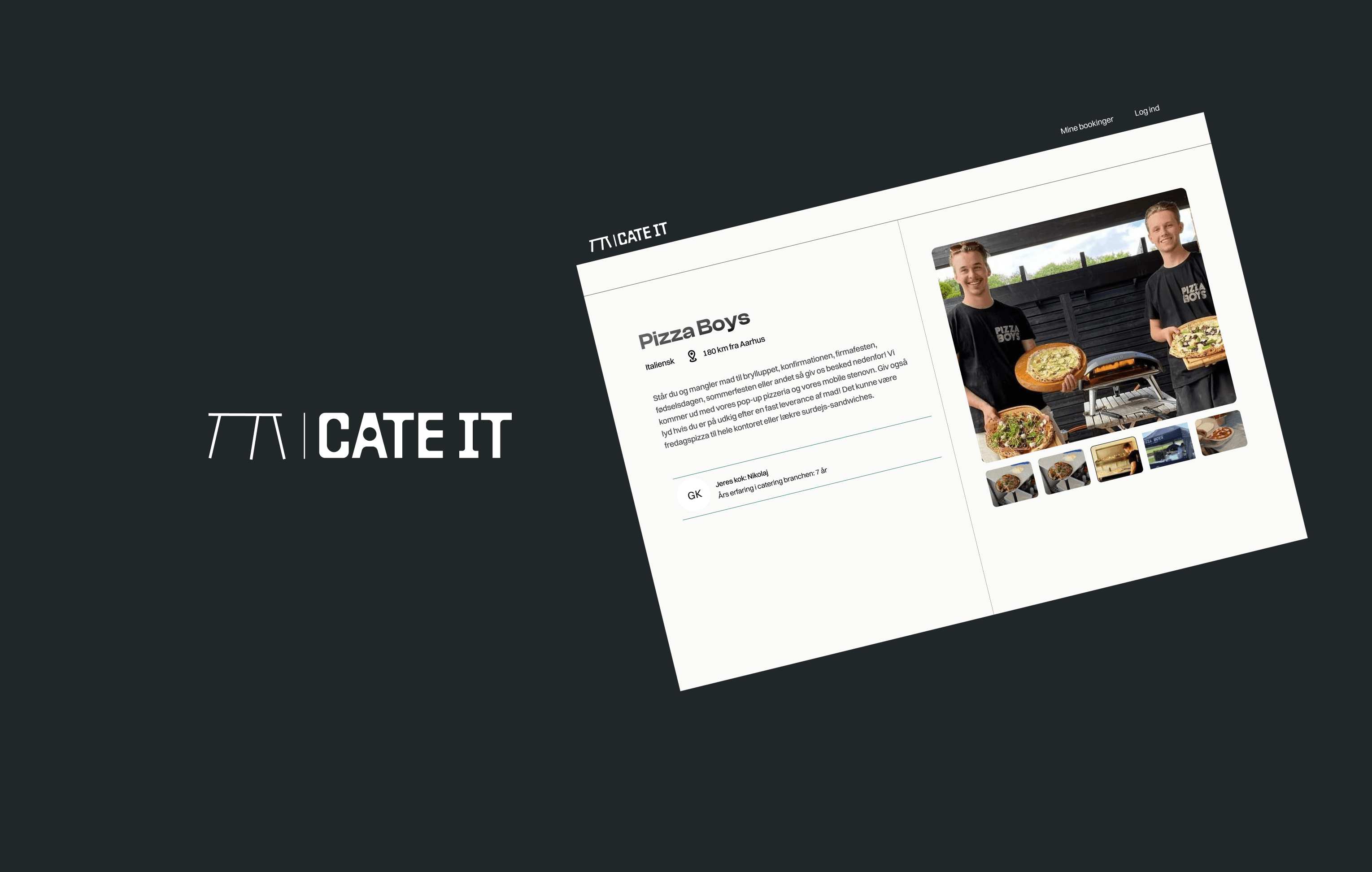
Building a two-sided marketplace with real constraints
Check it outFood truck owners struggle to get booked for events. Event planners don't have a reliable way to find and book food trucks. Existing solutions are either generic event platforms or require upfront subscriptions that don't work for seasonal small businesses.
Why existing solutions don't work for food truck owners
Food truck businesses are highly seasonal. Revenue drops significantly in winter months. Any fixed monthly cost—like a subscription—becomes a real burden when cash flow is tight. Existing platforms don't account for this reality, making them unattractive to the very people they're trying to serve.
Research and insights
Seasonality is a real concern

Eight conversations with food truck owners revealed consistent patterns. January and February are slow months. Any fat in the budget during winter is a problem. Fixed costs don't work for this business model.
The community is welcoming

Food truck owners remember what it's like starting out. They're happy to refer you to others in the space. This openness gave us access to more conversations and validated that there's genuine interest in solving this problem.
They're okay with manual processes

Food truck owners were surprisingly comfortable with bookings going through their email rather than a fancy platform. This insight let us de-risk the launch with a simpler MVP.
STRATEGIC DECISIONS
How we learned
We initially planned a subscription model—predictable revenue for us, clear value prop for them. But research with food truck owners showed this wouldn't work given their seasonal cash flow.
The insight and choice we made
We pivoted to a percentage fee per booking, charged to both food truck owners and event planners. No fixed costs. The platform only makes money when they make money. This aligns our incentives with theirs and removes the barrier that would've prevented sign-ups.
Design solution
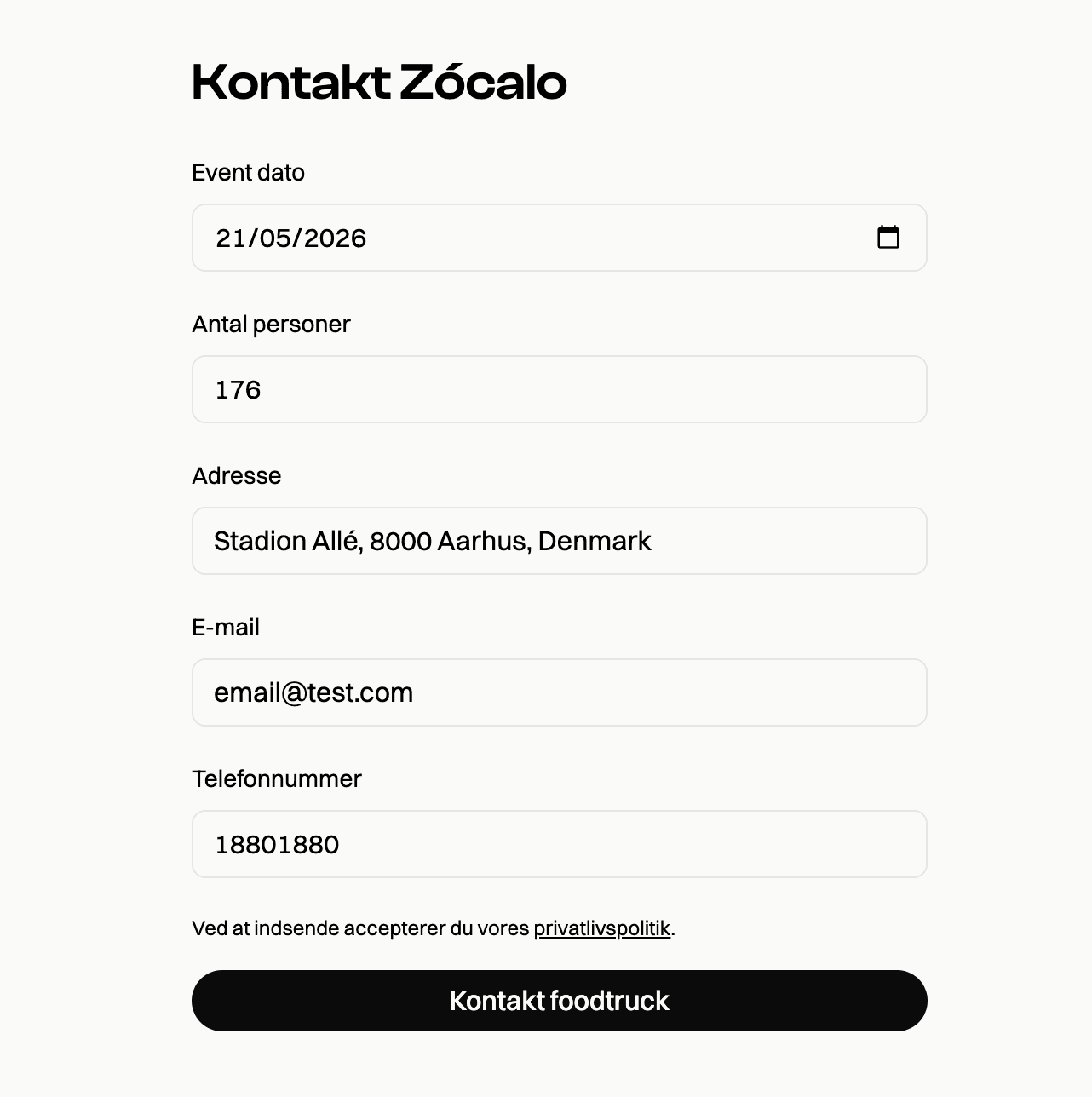
We built a simple email form that redirects booking information to the food truck owner's inbox. No complex booking flow yet. No payment processing. Just enough to test if the value proposition works.
The site is live at cateit.com with four food trucks signed up. We're focusing on supply-side first, getting food trucks on the platform before pushing hard on event planner acquisition.
Design compromises we made
- •The site uses a modular system limited to five components across all pages, faster to build, but limits flexibility
- •Food truck editing is in a modal instead of a drawer
- •Landing page is more generic than ideal we cut location-specific carousels to ship faster and with a clear structure
More interested? Take a look at cateit.com
Current status
Where we are now (pre soft-launch)
Site is live with food trucks listed. We haven't done the marketing push yet. Next step is building out the full booking flow and onboarding more trucks.
What we've learned so far
Building a marketplace part-time across three cities is hard. We've had to align three different motivations: Which has been clearly the hardest part, shipping something is easy, but agreeing on the scope is difficult.
Next priorities
- •Onboard foodtruck owners
- •Push on marketing strategy
- •Test whether we can generate enough demand to make the marketplace viable